
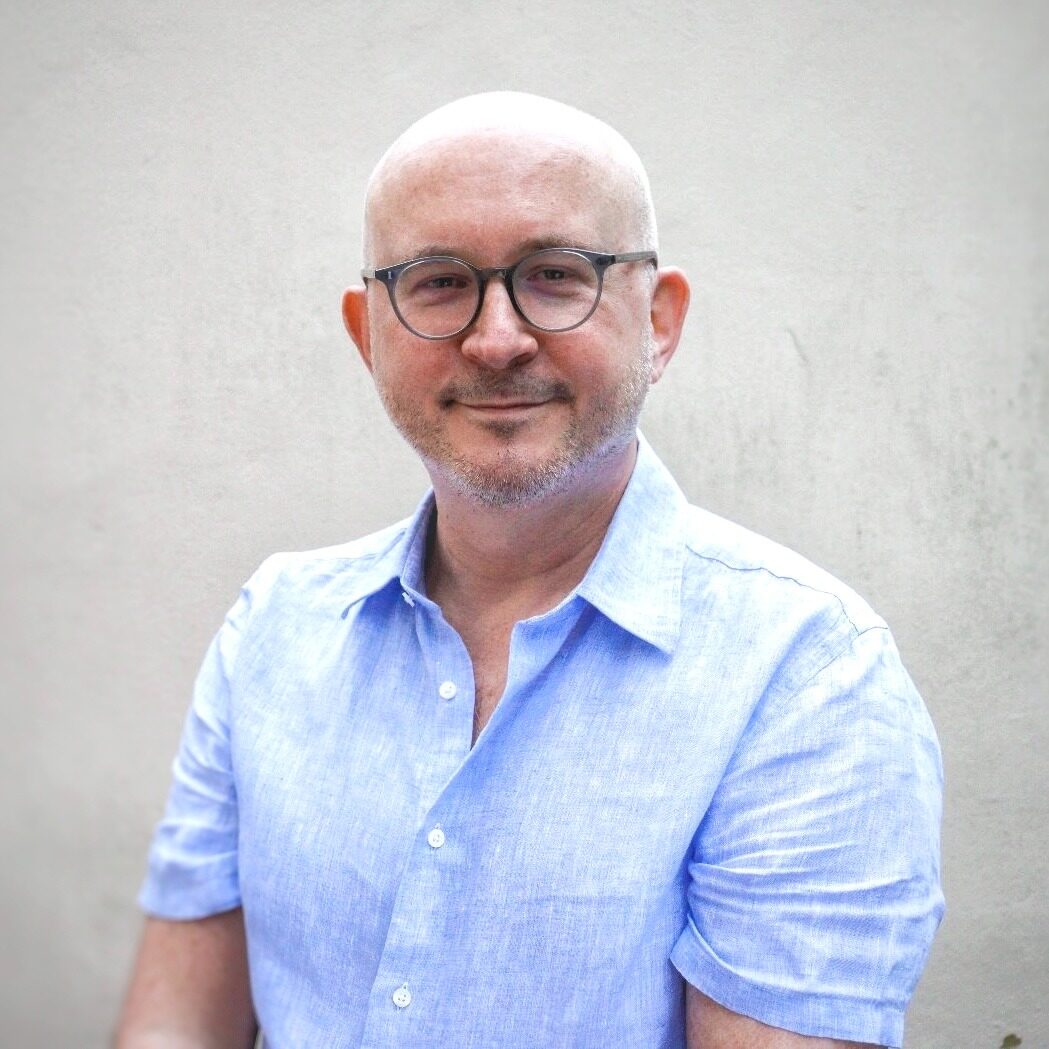
Meirion Todd
“Every client is different, so if you’ve any questions I’ve not addressed here, just get in touch.”
- Please leave a message if I am unable to answer when you call. Thank you.
- Email Me
mindfulness & self-compassion are at the heart of how I work as a therapist, for more information please visit my mindfulness & compassion page.
'I know how daunting first sessions can be, so I always try to make them as welcoming as possible
- Meirion Todd

Have you ever felt like you were navigating the world without an invisible script everyone else seemed to know?
That was my reality until I was diagnosed as autistic at 50.
The confirmation brought a flood of emotions: relief, anger, embarrassment, and an overwhelming sense of what now? My experience reflects that of many in the “lost generation”—autistic individuals born before the 1990s, when only those with obvious, classic traits were recognized. Those who masked their autism by emulating neurotypical behavior often went unnoticed. For decades, I was one of them.
The Exhaustion of Masking
High-masking autism—where individuals suppress their autistic traits to fit in—is especially common among women, LGBTQ+ individuals, and people from minority ethnic backgrounds. However, I’ve also worked with many male clients who fit this profile. Masking is exhausting, like navigating life in a foreign culture without a guidebook. Many of us don’t realize we are autistic until midlife, often when burnout or mental health struggles force us to confront the truth.
For me, the revelation was both liberating and disorienting. As a psychotherapist with 15 years of experience, I had spent countless hours exploring the human mind—yet I had missed something fundamental about myself. Autism wasn’t covered in my training, nor was it ever considered by the therapists I worked with. The knowledge simply wasn’t available.
Growing Up Invisible
In the 1970s and 1980s, autistic people like me were invisible. Those with high support needs were often segregated, while those who struggled to mask faced ostracization. The rest of us hid in plain sight, navigating overstimulation, misunderstanding, and self-doubt.
I remember the moment I decided to “fit in” during secondary school—a choice that led to decades of masking. Alcohol became a tool to maintain the illusion of neurotypicality, but it came at a personal cost. I wasn’t just pretending to be someone else; I was losing myself in the process.
Reframing Autism
Understanding autism has reshaped both my life and my work. Autism isn’t a linear spectrum but a multidimensional experience, which can make it really hard to spot, as it isn’t simply one thin but affects communication, relationships, sensory processing, and behaviour in unique ways. So, while I knew I was gay from a young age, I lacked the language to describe my complex autistic experience. Instead, I internalized labels like weird or anxious.
Receiving my diagnosis gave me clarity. I finally had the right words to describe myself. I I learned that autism comes with challenges but also strengths, and autistic traits such as high sensitivity, hyper-empathy, pattern recognition, deep authenticity—were integral to who I am. They also happen to align naturally with psychotherapy. I thrive in one-on-one, structured environments where I can deeply connect with others.
Therapy Through a Neurodivergent Lens
This understanding has profoundly changed how I practice therapy. Many autistic individuals struggle with traditional therapy, finding its lack of structure, prolonged silences, and emphasis on eye contact uncomfortable. I now tailor my sessions to create a more autistic-friendly space, balancing openness with structure and incorporating psychoeducation.
For many neurodivergent clients, whether autistic, ADHD, or the significant number of us who may not qualify for a diagnosis but have neurodivergent traits, learning to name their traits and understand their experiences is transformative. What once felt like a lifetime of confusion can shift into self-compassion and clarity. Therapy provides a space to explore these questions and develop a kinder narrative about one’s life.
Living Authentically
Late-diagnosed autistic individuals often ask: How do I live authentically after years of masking? As an existential therapist, I believe meaning comes from understanding who we are and how we want to live. My autism diagnosis gave me the missing piece I needed to answer these questions for myself.
Now, my work is dedicated to helping others do the same—to unmask, embrace their neurodivergence, and live in alignment with their true selves. The journey isn’t always easy, but it is undoubtedly rewarding. I am honored to walk this path alongside my clients.